


WHITE SPOT DISEASE IN SHRIMP: CAUSES, IDENTIFICATION SIGNS AND EFFECTIVE PREVENTION METHODS
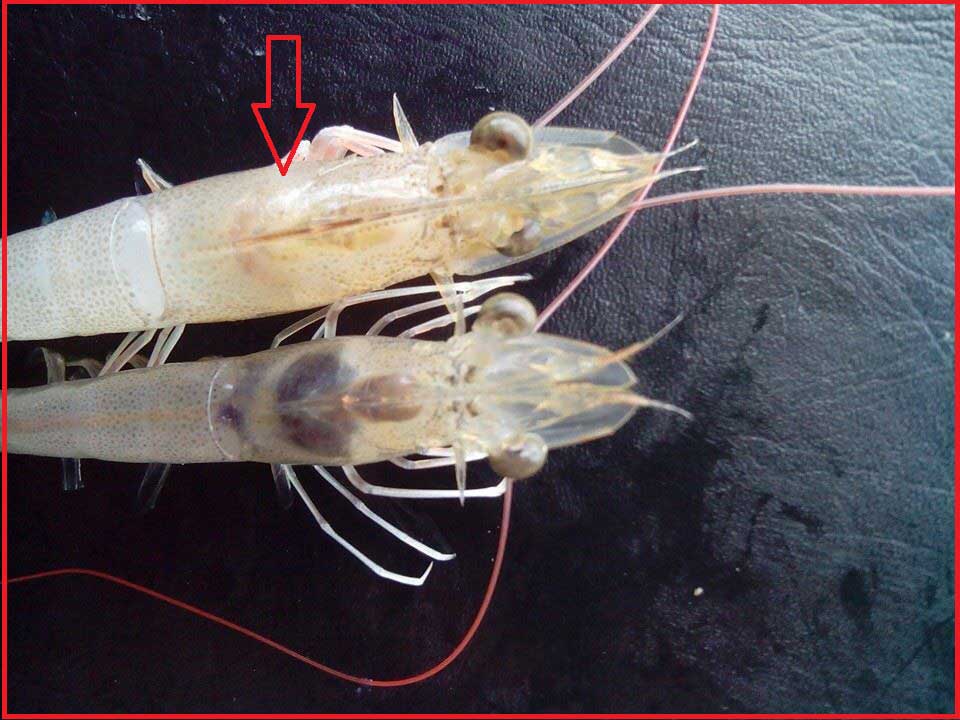
White Spot Disease in shrimp (White Spot Syndrome Disease – WSD) is one of the most dangerous diseases in aquaculture today.
The disease is caused by the White Spot Syndrome Virus (WSSV), which spreads rapidly and can cause high mortality rates in shrimp within a short period of time.
The disease commonly affects popular cultured species such as whiteleg shrimp and black tiger shrimp, especially in high-density farming ponds, unstable water environments, or poorly managed farming systems.
Currently, there is no specific treatment for White Spot Disease in shrimp. Therefore, proactive prevention, environmental management, and improving shrimp health are the most important solutions to minimize risks for farmers.
Causes of White Spot Disease in Shrimp
White Spot Disease occurs when shrimp are infected with WSSV. The virus can enter farming ponds through various pathways.
1. Shrimp Postlarvae Infected with the Virus
One of the most common causes is the use of shrimp seed that has not been properly tested for quality.
When infected shrimp seed is stocked into ponds, the virus can develop and spread rapidly throughout the shrimp population.
To reduce this risk, farmers should:
- Select shrimp seed from reputable suppliers.
- Check the origin of shrimp seed.
- Test for pathogens before stocking.
2. Contaminated Water Sources
WSSV can enter shrimp ponds through:
- Untreated incoming water.
- Wild fish, crabs, and other carriers of pathogens.
- Farming equipment contaminated with the virus.
- People or vehicles moving between different ponds.
Therefore, treating incoming water and controlling sources of infection are essential steps in shrimp farming.
3. Unstable Pond Environmental Conditions
Shrimp are more likely to become infected when environmental conditions are unstable, including:
- Sudden temperature changes.
- Unstable salinity levels.
- Low dissolved oxygen.
- High levels of toxic gases such as NH3 and H2S.
- Accumulation of organic matter at the pond bottom.
These factors stress shrimp, reduce their immune resistance, and create favorable conditions for the virus to develop.
Signs of White Spot Disease in Shrimp
Early detection helps farmers take timely action and reduce losses.
1. Reduced Feeding or Loss of Appetite
When infected with the virus, shrimp often show signs such as:
- Weak feeding activity.
- Reduced feed consumption in feeding trays.
- Slow growth.
This is one of the first warning signs farmers should pay attention to.
2. Appearance of White Spots on Shrimp Shells
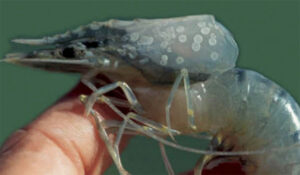
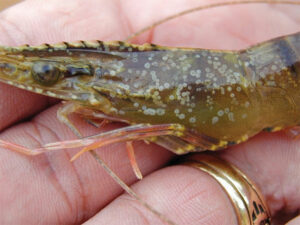
The most typical sign of the disease is the appearance of white spots on the shrimp shell.
Common characteristics include:
- Small white spots on the shell.
- Appearing mainly on the head and body sections.
- Visible to the naked eye.
However, not all white spots on shrimp shells are caused by WSSV. Other symptoms should be considered for accurate diagnosis.
3. Lethargic Swimming and Surface Activity
Infected shrimp may:
- Swim near the water surface.
- Gather around pond edges.
- Show slow responses to external stimulation.
If not controlled promptly, shrimp mortality can increase rapidly.
4. Mass Mortality
In severe cases, White Spot Disease can cause rapid shrimp death within only a few days.
This is a major cause of economic losses for many shrimp farming households.
Is White Spot Disease in Shrimp Dangerous?
White Spot Disease is considered one of the most dangerous diseases in shrimp farming because of:
- Rapid transmission ability.
- High mortality rate.
- Lack of specific antiviral treatment.
- Significant economic losses in production costs and yield.
Especially in intensive shrimp farming systems with high stocking densities, poor environmental control can cause the disease to spread quickly and affect the entire crop.
Effective Prevention Methods for White Spot Disease in Shrimp
1. Selecting Healthy Shrimp Seed
The quality of shrimp seed plays a major role in the success of a farming cycle.
Farmers should:
- Choose shrimp seed with clear origins.
- Prioritize seed tested for pathogens.
- Avoid stocking shrimp seed showing abnormal signs.
2. Proper Pond Preparation
Before each farming cycle, farmers should:
- Clean the pond bottom.
- Remove remaining organic waste.
- Treat water before introducing it into the pond.
- Control intermediate disease carriers.
A clean and well-prepared pond helps reduce the risk of virus introduction.
3. Regular Water Quality Management
Farmers should monitor important water parameters, including:
- pH.
- Alkalinity.
- Dissolved oxygen.
- Salinity.
- Toxic gas levels.
Maintaining stable water conditions helps shrimp stay healthy and improves disease resistance.
4. Improving Shrimp Resistance
Besides environmental management, proper nutrition is also important:
- Supplement vitamins.
- Provide essential minerals.
- Use suitable probiotics.
- Feed shrimp with appropriate amounts.
Healthy shrimp are less likely to become infected and can recover better.
How to Handle Shrimp Ponds Suspected of White Spot Disease
When signs of disease are detected, farmers should:
- Check pond water quality.
- Limit movement of people and equipment around infected ponds.
- Do not discharge untreated water into the environment.
- Monitor shrimp conditions regularly.
- Contact aquatic technical experts for proper guidance.
Improper use of chemicals or medications may worsen pond conditions and reduce farming efficiency.
Frequently Asked Questions About White Spot Disease in Shrimp
Is White Spot Disease in shrimp caused by bacteria or viruses?
White Spot Disease in shrimp is caused by the WSSV virus, not bacteria.
Can shrimp infected with White Spot Disease be cured?
Currently, there is no specific treatment that can completely eliminate WSSV. The most effective solution is prevention and proper pond management.
How can farmers detect White Spot Disease early?
Farmers should pay attention to signs such as reduced feeding, abnormal swimming behavior, white spots on shells, and sudden mortality.
White Spot Disease in shrimp is a major threat to the shrimp farming industry due to its rapid spread and serious economic impacts.
Since there is currently no specific treatment, farmers should focus on prevention measures such as selecting disease-free shrimp seed, properly preparing ponds, managing water quality, and improving shrimp health.
Proactive disease prevention is the key solution to maintaining stable productivity and developing sustainable shrimp farming models.
 Share: