


TOP 7 COMMON DISEASES IN FARMED PANGASIUS AND EFFECTIVE TREATMENT METHODS
Pangasius is one of the high-value aquaculture species in Vietnam, especially in the Mekong Delta region.
However, intensive pangasius farming systems with high stocking densities also carry many risks of disease outbreaks.
Factors such as deteriorating water quality, high waste accumulation, weather fluctuations, and intensive farming pressure make pangasius more susceptible to diseases caused by bacteria, viruses, parasites, and environmental problems.
Early identification of common diseases in pangasius helps farmers take proactive measures, reduce losses, and improve production efficiency.
1. Edwardsiellosis (Bacillary Necrosis) in Pangasius
Causes of Edwardsiellosis
Edwardsiellosis is one of the most dangerous diseases affecting commercial pangasius farming. The main causative agent is often associated with the bacterium Edwardsiella ictaluri.
This bacterium develops strongly under conditions such as:
- Poor water quality.
- High levels of toxic gases such as NH₃ and H₂S.
- Fish stress caused by temperature and pH fluctuations.
- Excessive stocking density.
Signs of Disease
Pangasius infected with Edwardsiellosis may show the following symptoms:
- Reduced feeding or complete loss of appetite.
- Lethargic swimming and isolation from the school.
- Darkened skin color.
- Poor growth and weight loss.
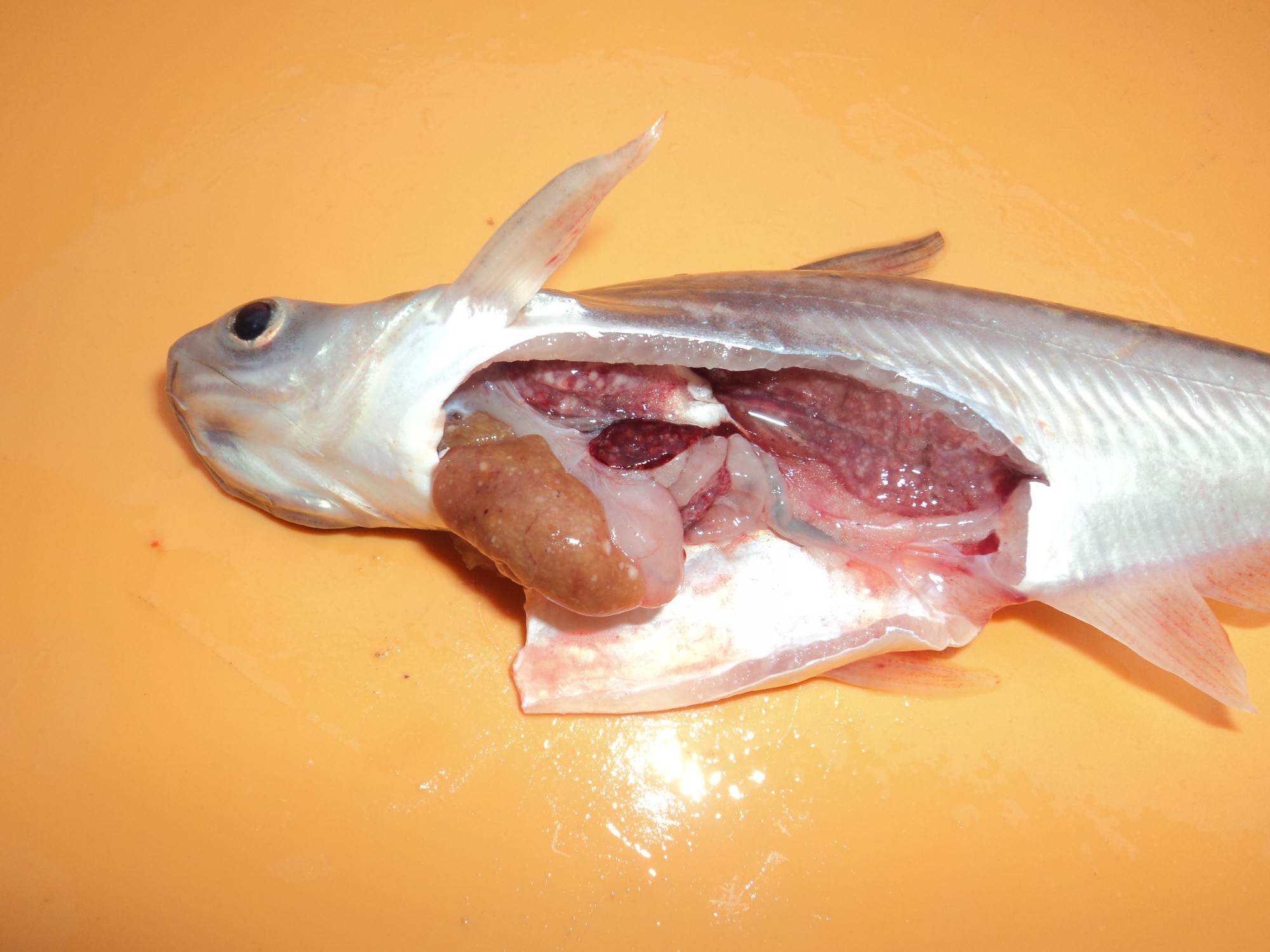
- Small white spots appearing on the liver, kidney, and spleen.
- Prolonged sporadic mortality.
Treatment and Control
- Check and improve water quality.
- Increase dissolved oxygen levels in the pond.
- Reduce feeding when fish show disease symptoms.
- Use probiotics to stabilize the pond environment.
- Supplement vitamins and minerals to enhance fish immunity.
2. Bacterial Hemorrhagic Disease in Pangasius
Causes
Hemorrhagic disease is commonly associated with bacterial groups such as Aeromonas spp.. It often occurs when fish are injured, have weakened immunity, or experience unstable farming conditions.
Symptoms of Hemorrhagic Disease
Common signs include:
- Red patches appearing on the fish skin.
- Bleeding around fins and anus.
- Weak swimming and reduced reflexes.
- Signs of inflammation in internal organs.
- Rapid mortality when the disease becomes severe.
Prevention and Control
- Maintain good pond water quality.
- Minimize physical injuries during handling.
- Avoid excessive stocking density.
- Control leftover feed in the pond.
- Improve fish health through proper nutrition.
3. White Liver and White Gill Syndrome in Pangasius
Causes
White liver and white gill symptoms in pangasius are often related to:
- Poor water quality.
- Toxic substances in the farming environment.
- Long-term stress.
- Bacterial infection or liver dysfunction.
Signs of Disease
- Pale or whitish liver.
- Pale gills with reduced red coloration.
- Reduced appetite.
- Fish surfacing due to respiratory problems.
- Poor growth performance.
Treatment Methods
- Check water quality parameters.
- Reduce organic waste accumulation.
- Increase aeration.
- Apply probiotics for pond bottom management.
- Supplement liver-supporting products.
4. Parasitic Diseases in Pangasius
Common Parasites
Pangasius can be affected by:
- Trichodina.
- Ichthyophthirius multifiliis (white spot parasite).
- Monogenean flukes.
- Skin and gill parasites.
Symptoms of Parasitic Infection
- Fish rubbing against pond walls.
- Excessive mucus production on the skin.
- Damaged gills.
- Abnormal swimming behavior.
- Reduced feeding and slow growth.
Prevention and Control
- Maintain clean water sources.
- Check fingerlings before stocking.
- Regularly monitor fish health.
- Keep pond conditions stable.
5. Fungal Diseases in Pangasius
Causes
Fungal infections usually occur when:
- Fish suffer from injuries.
- Pond water contains excessive organic matter.
- Fish immunity is weakened.
Symptoms
- White cotton-like fungal growth on the skin.
- Weak swimming.
- Slow healing of wounds.
- Reduced feeding activity.
Prevention
- Maintain clean pond water.
- Avoid unnecessary handling that causes injuries.
- Manage stocking density properly.
6. Environmental Diseases in Pangasius Farming
Not all fish health problems are caused by bacteria or viruses. In many cases, the main cause comes from poor pond environmental conditions.
Factors Affecting Fish Health
- Low dissolved oxygen.
- Large pH fluctuations.
- High levels of NH₃ and H₂S toxic gases.
- Excessive organic sludge at the pond bottom.
Signs of Environmental Stress
- Fish gasping at the surface in the early morning.
- Reduced feeding.
- Weak swimming activity.
- Increased mortality after abnormal weather changes.
7. Viral Diseases in Pangasius
Viral diseases are difficult to treat directly and can seriously affect fish populations.
Factors Promoting Disease Development
- Fingerlings carrying pathogens.
- Poor farming conditions.
- Weak fish immunity.
Solutions
- Select fingerlings from reliable sources.
- Apply biosecurity farming practices.
- Prevent the introduction of pathogens from outside sources.
Signs That Pangasius Are Sick
Farmers should inspect fish populations daily. Warning signs include:
- Fish stop feeding or eat significantly less.
- Fish gathering near the surface.
- Fish separating from the school.
- Abnormal body coloration.
- Sporadic fish deaths.
- Reduced growth rate.
When unusual signs appear, both fish health and water quality should be checked to determine the exact cause.
Disease Prevention Process in Intensive Pangasius Farming Ponds
1. Proper Pond Preparation
- Renovate and clean the pond before each farming cycle.
- Remove sludge and organic waste.
- Disinfect and treat the water source.
2. Select Healthy Fingerlings
- Choose fingerlings with uniform size.
- Ensure fish show no disease symptoms.
- Select fish from reliable sources.
3. Manage Water Quality
Regularly monitor:
- pH.
- Dissolved oxygen.
- Water transparency.
- NH₃ and H₂S toxic gases.
Stable water conditions help reduce disease pressure on fish.
4. Feed Management
- Provide appropriate feeding amounts.
- Avoid excessive leftover feed.
- Adjust feeding rates according to weather conditions and fish health.
5. Improve Fish Immunity
Supplement:
- Vitamins.
- Minerals.
- Probiotics for intestinal health.
- Liver-support products.
Common diseases in farmed pangasius, including Edwardsiellosis, bacterial hemorrhagic disease, white liver and white gill problems, and parasitic infections, can cause significant economic losses if not detected early.
The most effective solution is to establish a safe farming process, maintain good water quality, use high-quality fingerlings, and focus on disease prevention rather than only treating outbreaks after they occur.
A healthy pangasius population depends not only on treatment methods but also on stable pond conditions and proper daily management practices.
Farmers can learn more and explore related products here. See more: …
 Share: