



PURULENT HEPATORENAL DISEASE IN PANGASIUS: CAUSES, SYMPTOMS, TREATMENT, AND EFFECTIVE PREVENTION
Purulent hepatorenal disease is one of the most serious infectious diseases affecting pangasius (striped catfish), causing significant losses to Vietnam’s aquaculture industry.
The disease spreads rapidly, can occur at various growth stages of fish, and may significantly reduce productivity if not detected and treated promptly.
As pangasius farming continues to expand under intensive farming systems with high stocking densities, understanding purulent hepatorenal disease enables farmers to implement effective preventive measures, improve water quality management, and optimize fish health management.
This article provides comprehensive information about the causes, clinical signs, diagnosis, treatment, and biosecurity-based prevention of purulent hepatorenal disease.
What Is Purulent Hepatorenal Disease?
Purulent hepatorenal disease is a bacterial infection caused by Edwardsiella ictaluri. This bacterium can survive in pond water, bottom sediments, and spread rapidly under unfavorable farming conditions.
After entering the fish through the gills, skin, or digestive tract, the bacteria multiply in internal organs such as the liver, kidneys, spleen, and brain.
The infection forms small abscesses that damage tissues and impair the function of vital organs, gradually weakening the fish and eventually causing death if left untreated.
Today, the disease is commonly found in intensive pangasius farming areas, particularly during seasonal transitions or when water quality deteriorates.
Causes of Purulent Hepatorenal Disease in Pangasius
Several factors contribute to disease outbreaks, including both the pathogen itself and environmental conditions.
Edwardsiella ictaluri
This bacterium is the direct cause of the disease. It can survive in:
- Pond water
- Bottom sediments
- Carrier fish
- Poorly sanitized farming equipment
Under favorable conditions, the bacteria multiply rapidly and spread throughout the entire fish population.
Poor Water Quality
Ponds containing excessive organic matter, uneaten feed, and accumulated waste provide an ideal environment for bacterial growth.
Environmental factors that increase disease risk include:
- Low dissolved oxygen levels
- High ammonia (NH₃) concentration
- Elevated nitrite (NO₂⁻) levels
- Sudden pH fluctuations
These conditions weaken the immune system of fish, making them more susceptible to infection.
High Stocking Density
Overcrowding increases competition for oxygen, feed, and space. Fish become stressed, allowing the bacteria to spread more quickly among individuals.
Weather Changes
Seasonal transitions, prolonged rainfall, and sudden temperature fluctuations reduce fish immunity and create favorable conditions for disease outbreaks.
Poor Nutritional Management
Low-quality feed, vitamin deficiencies, or overfeeding contribute to water pollution and negatively affect fish health.
Clinical Signs of Purulent Hepatorenal Disease
Early detection can significantly reduce economic losses.
External Symptoms
Farmers may observe:
- Reduced feed intake or complete loss of appetite
- Lethargic swimming behavior
- Fish gathering near the water surface
- Darkened body coloration
- Slow response to external stimuli
- Bulging or hemorrhagic eyes
- Some fish swimming in circles due to nervous system damage
During severe outbreaks, fish mortality initially occurs sporadically before rapidly increasing.
Internal Symptoms
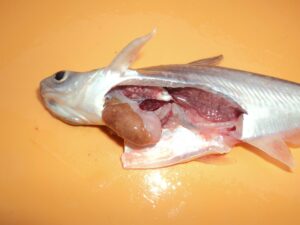
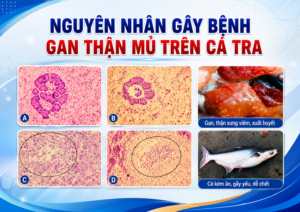
Necropsy of infected fish typically reveals:
- White nodules on the liver
- Small abscesses in the kidneys
- Enlarged spleen
- Hemorrhage in internal organs
- Soft, fragile kidneys
- Fluid accumulation in the abdominal cavity
These lesions are characteristic features that help distinguish purulent hepatorenal disease from other bacterial infections.
Disease Transmission
Purulent hepatorenal disease spreads primarily through:
- Direct contact between infected and healthy fish
- Contaminated water sources
- Improperly disinfected equipment
- Birds, animals, or humans carrying pathogens from other ponds
- Infected fingerlings that show no obvious clinical signs
In high-density farming systems, the disease can spread rapidly throughout the pond.
Economic Impact
Without proper control, the disease can cause severe consequences.
Economic Losses
- High mortality rates under unfavorable conditions
- Increased treatment costs
- Longer production cycles
- Higher feed conversion ratio (FCR)
- Reduced farm profitability
Reduced Market Quality
Infected fish often exhibit:
- Slow growth
- Poor overall health
- Uneven body size
- Lower market value due to inferior quality
Diagnosis of Purulent Hepatorenal Disease
Accurate diagnosis requires a combination of methods.
Observation of Clinical Signs
Monitor:
- Swimming behavior
- Feeding activity
- Body coloration
- Daily mortality rate
Internal Examination
Necropsy is essential for detecting characteristic abscesses in the liver and kidneys.
Laboratory Testing
When treatment is required, samples should be submitted to a diagnostic laboratory to identify the causative bacterium and determine its antimicrobial susceptibility.
This helps ensure appropriate treatment while reducing the risk of antimicrobial resistance.
Treatment of Purulent Hepatorenal Disease
Effective treatment should combine environmental management with proper fish care.
1. Improve Water Quality
This is the first and most important step.
Farmers should:
- Monitor pH daily
- Measure dissolved oxygen levels
- Control ammonia (NH₃) and nitrite (NO₂⁻)
- Replace water when appropriate
- Remove bottom sludge regularly
2. Reduce Feeding
During disease outbreaks:
- Reduce feeding rates
- Avoid overfeeding
- Remove uneaten feed
These measures help minimize water pollution.
3. Provide Nutritional Support
Supplements may include:
- Vitamin C
- Vitamin E
- Minerals
- Probiotics
- Immunostimulants used according to the manufacturer’s recommendations
These products help improve immunity and support recovery.
4. Use Medications Under Professional Guidance
Antibiotics should only be administered under the supervision of aquatic animal health professionals or based on laboratory test results.
Avoid indiscriminate or prolonged antibiotic use, as it may contribute to antimicrobial resistance and compromise food safety.
Effective Prevention Measures
Preventing disease is more cost-effective than treating outbreaks.
Use Healthy Fingerlings
Purchase fingerlings from reputable hatcheries.
Healthy fingerlings should be:
- Disease-free
- Uniform in size
- Free from deformities
- Active and healthy
Proper Pond Preparation
Before each production cycle:
- Remove bottom sludge
- Dry the pond
- Disinfect according to recommended procedures
- Inspect the incoming water source
Proper pond preparation significantly reduces the presence of disease-causing pathogens.
Water Quality Management
Regularly:
- Monitor water quality
- Apply suitable probiotics
- Prevent organic waste accumulation
- Maintain a stable pond environment
Proper Feeding Practices
Avoid:
- Overfeeding
- Low-quality feed
- Leaving uneaten feed in the pond
Feed should be adjusted according to the growth stage of the fish.
Daily Health Monitoring
Observe fish daily for:
- Surface swimming
- Loss of appetite
- Abnormal swimming behavior
- Increased mortality
Early intervention helps prevent disease spread.
Common Mistakes in Disease Management
Many farmers still make mistakes such as:
- Relying solely on medication without improving water quality
- Mixing multiple antibiotics indiscriminately
- Ignoring water quality before treatment
- Continuing heavy feeding during outbreaks
- Failing to remove dead fish promptly
- Neglecting to disinfect farming equipment between ponds
These practices can prolong disease outbreaks, increase treatment costs, and reduce overall effectiveness.
Purulent hepatorenal disease is one of the most serious diseases affecting pangasius farming and can cause substantial economic losses if not detected and managed promptly.
Understanding its causes, recognizing early symptoms, and implementing effective preventive measures can significantly reduce disease risks, improve survival rates, and enhance farm productivity.
In addition to maintaining good water quality, farmers should prioritize healthy fingerlings, balanced nutrition, and routine health monitoring. Whenever disease is suspected, consultation with aquatic animal health specialists or diagnostic laboratories is strongly recommended for accurate diagnosis and appropriate treatment.
An integrated management approach is the key to controlling purulent hepatorenal disease effectively while supporting sustainable and responsible pangasius aquaculture.
Farmers can learn more and explore related products here. See more: …
 Share: