


WHAT IS FOWL CHOLERA? 5 IMPORTANT KNOWLEDGE POINTS TO HELP FARMERS PREVENT THE DISEASE EFFECTIVELY
Fowl cholera (avian influenza) is one of the most dangerous infectious diseases in poultry farming. The disease spreads rapidly, causes heavy economic losses, and poses potential risks to human health. Understanding the nature of fowl cholera helps farmers proactively prevent and protect their poultry flocks effectively.
What is fowl cholera?
Fowl cholera, also known as avian influenza, is a disease caused by the Influenza A virus (Avian Influenza – AI) affecting poultry and birds. The virus was first identified in Italy in the early 20th century and is now present in most countries worldwide.
The avian influenza virus belongs to the Orthomyxoviridae family, contains RNA genetic material, and has a very high mutation rate. Among them, the H5N1 strain is considered one of the most dangerous variants due to its high transmissibility and high mortality rate in poultry.
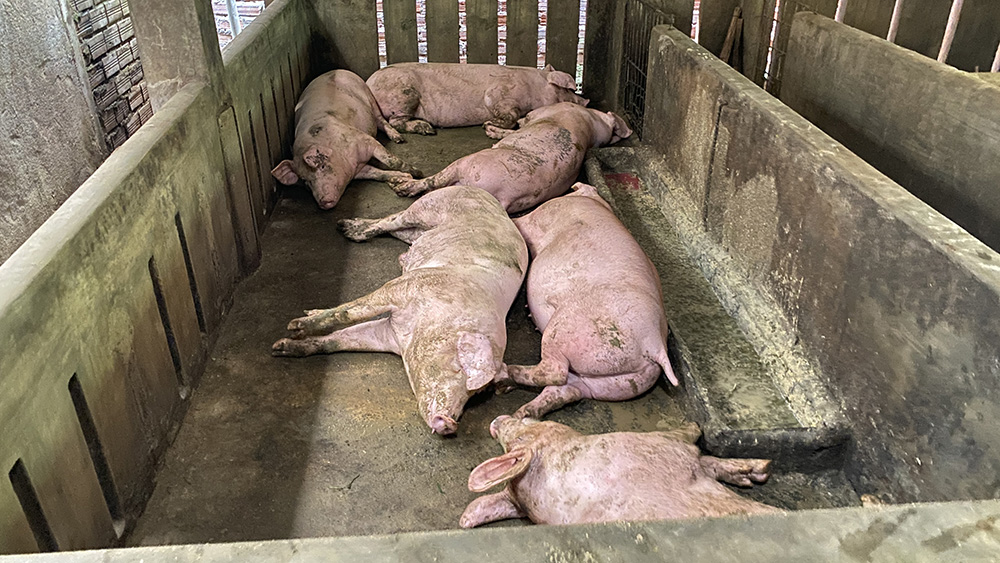
In addition to chickens, the virus can infect many other animals such as ducks, geese, pigs, horses, seals, tigers, and even humans.

Transmission routes of fowl cholera
The avian influenza virus can spread through multiple routes:
Direct transmission
The disease spreads from infected birds to healthy birds through direct contact with respiratory secretions, saliva, or feces of infected animals.
Indirect transmission
The virus can survive in the environment and spread through:
- Air
- Contaminated drinking water
- Contaminated feed
- Farming equipment
- Transportation vehicles
- Clothing and footwear of caretakers
In particular, migratory wild waterfowl such as storks, wild ducks, and wild geese are natural carriers of the virus, making disease control more difficult.
Incubation period
The incubation period usually lasts from 3–5 days. In some cases, it may range from a few hours to 21 days, and even up to 28 days depending on the virus strain and the immunity of the birds.
Common symptoms of fowl cholera in chickens
When infected, poultry may show the following signs:
Respiratory symptoms
- High fever
- Watery eyes and nasal discharge
- Difficulty breathing, wheezing
- Excessive salivation
External symptoms
- Birds huddling together, reduced movement
- Ruffled feathers, lethargy
- Swelling of the head and eyes
- Bluish comb and wattles
- Bluish skin
- Hemorrhages on legs
Neurological symptoms (severe cases)
- Convulsions
- Loss of balance
- Difficulty walking
Productivity impact
- Reduced feed intake
- Poor growth
- Decreased egg production
- Poor egg quality
Depending on the virus strain, age, and environmental conditions, mortality rates can vary from low to extremely high. With highly pathogenic strains such as H5N1, mortality can reach up to 100%.

Why is fowl cholera dangerous?
The avian influenza virus mutates continuously and can combine with other virus strains to form new variants. This is why outbreaks can escalate into large epidemics.
The virus thrives in conditions such as:
- Low temperatures
- High humidity
- Poor farm hygiene
- High stocking density
Therefore, prevention is always more important than treatment.
Effective prevention of fowl cholera
Biosecurity measures
- Keep poultry in separate enclosed areas
- Avoid contact with wild birds
- Control access of people and vehicles
- Regular disinfection of farms
Farm hygiene
Farmers should:
- Spread lime powder around the farm area
- Spray disinfectants (e.g., Chloramine) weekly
- Collect and properly dispose of manure
Strengthening immunity
Strong immunity helps poultry resist disease more effectively:
- Add vitamins and minerals to feed
- Provide clean drinking water
- Use probiotics to improve digestion
- Add garlic periodically to feed or drinking water
Garlic contains natural antibacterial compounds that help support respiratory health and immunity.
Handling suspected infected birds
When fowl cholera is suspected:
- Do not slaughter or use as food
- Immediately isolate infected birds
- Report to local veterinary authorities
- Disinfect the entire farm according to official guidelines

Fowl cholera is a highly contagious disease with rapid spread and high mortality in poultry. Understanding its causes, transmission routes, symptoms, and prevention measures helps farmers protect their flocks, reduce economic losses, and prevent large-scale outbreaks.
For effective farming, farmers should combine hygiene practices, biosecurity measures, and nutritional support to strengthen poultry immunity.
 Share: