



STUNTED PIGLETS: 7 COMMON CAUSES AND EFFECTIVE SOLUTIONS FOR FASTER WEIGHT GAIN
Stunted piglets, slow growth, poor appetite, and uneven development are major concerns for many pig farmers. A stunted pig not only consumes additional feed but also requires a longer finishing period, significantly reducing the profitability of the entire herd. So, what causes piglets to become stunted, and how can the problem be addressed effectively?
What Are Stunted Piglets?
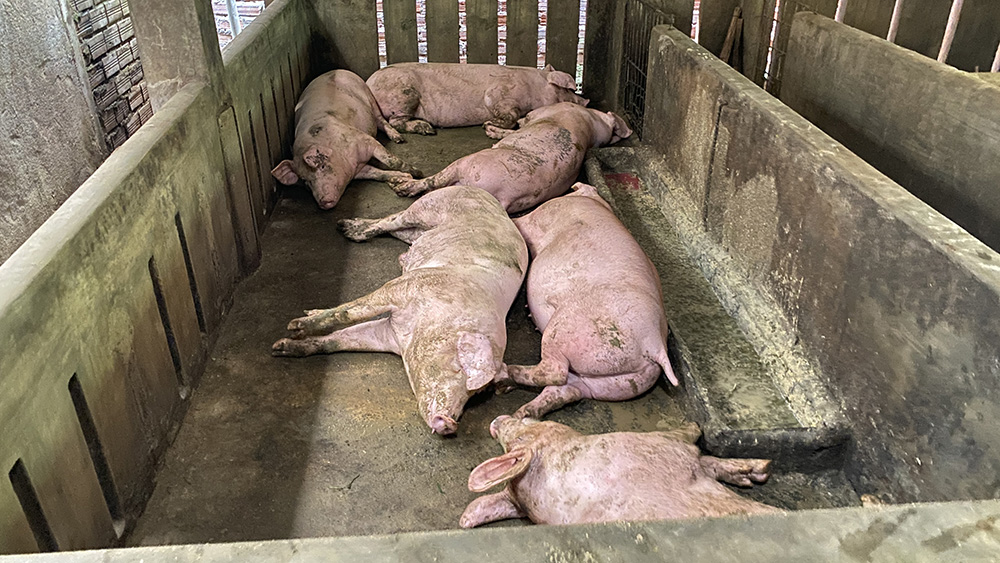
Stunted piglets are pigs that grow more slowly than the standard weight and body condition expected for their age. These pigs are usually much smaller than their littermates, have weaker immune systems, and are more susceptible to diseases.
In commercial pig farming, if stunted piglets are not treated early, they often struggle to catch up with the growth rate of the rest of the herd, resulting in lower production efficiency and economic returns.
Signs of Stunted Piglets
Farmers can easily identify stunted piglets through the following symptoms:
- Significantly lower body weight than pigs of the same age.
- Visible ribs and backbone.
- Wrinkled skin and rough, erect hair coat.
- Reduced feed intake or loss of appetite.
- Sluggish behavior and low activity levels.
- Frequent diarrhea or respiratory diseases.
- Poor weight gain despite receiving adequate feed.
Early detection greatly improves the chances of recovery and normal growth.

7 Common Causes of Stunted Piglets
1. Insufficient Colostrum Intake
Colostrum contains a high concentration of antibodies that help piglets fight diseases during the first weeks of life. Piglets that nurse late or consume insufficient colostrum often have weaker immunity and are more likely to become stunted.
2. Nutritional Deficiencies During Weaning
The weaning period is one of the most stressful stages in a piglet’s life. If the diet lacks adequate protein, energy, minerals, or vitamins, piglets may experience slow growth and reduced immune function.
3. Poor-Quality Feed
Moldy, spoiled, or nutritionally imbalanced feed can reduce nutrient absorption and overall performance. This is a common cause of poor growth that is often overlooked by farmers.
4. Internal Parasites and Worm Infestations
Intestinal parasites directly consume nutrients from the pig’s digestive system. As a result, pigs may eat normally or even excessively but still fail to gain weight.
5. Digestive Disorders
Diseases such as diarrhea, enteritis, and digestive disturbances can cause dehydration, poor nutrient absorption, and rapid physical decline.
6. Inadequate Housing Conditions
Housing that is too cold, too hot, damp, or poorly ventilated can stress piglets. In such conditions, energy is diverted toward maintaining body temperature rather than supporting growth.
7. Overstocking
When pigs are raised at excessive stocking densities, they must compete for feed and living space. Weaker animals often receive fewer nutrients and become stunted over time.

The Impact of Stunted Piglets
Many farmers assume that simply feeding more will solve the problem. However, stunted piglets often create several challenges:
- Increased feed cost per kilogram of weight gain.
- Longer production cycles.
- Higher disease incidence.
- Uneven herd growth and development.
- Reduced market value at slaughter.
- Lower overall farm profitability.
Effective Solutions for Stunted Piglets
Provide Specialized Nutritional Support
Offer diets rich in high-quality protein, essential amino acids, vitamins A, D, and E, as well as minerals such as zinc, iron, and calcium.
Use Probiotics
Probiotics help balance intestinal microflora, improve digestion, and enhance nutrient absorption.
Deworm Regularly
Implement a routine deworming program to eliminate parasites that reduce nutrient availability and growth performance.
Improve Housing Conditions
- Keep pens clean and dry.
- Ensure adequate ventilation while avoiding drafts.
- Disinfect facilities regularly.
- Maintain appropriate temperatures for each growth stage.
Separate Stunted Piglets
Stunted piglets should be housed separately to receive special care and avoid competition for feed with stronger pigs.

Practical Tips for Faster Piglet Growth
Many successful commercial farms implement the following practices:
- Ensure piglets receive colostrum as early as possible after birth.
- Wean piglets at the appropriate age.
- Supplement digestive enzymes or probiotics immediately after weaning.
- Follow a comprehensive vaccination schedule.
- Strictly monitor feed quality.
- Record and evaluate body weight weekly to identify growth issues early.
Proper management from the beginning can significantly reduce the incidence of stunted piglets within the herd.
Frequently Asked Questions About Stunted Piglets
Can Stunted Piglets Still Reach Market Weight?
Yes. If the underlying cause is identified and corrected early, many stunted piglets can recover and achieve commercial market weights.
Why Do Some Piglets Eat Well but Remain Thin?
Common reasons include parasite infestations, digestive disorders, or nutritionally imbalanced diets.
How Long Does Recovery Take?
Recovery typically requires between 2 and 6 weeks, depending on the severity of stunting and the quality of care provided.
Stunted piglets are often a sign that nutrition, management, health care, or housing conditions need improvement. Identifying the root cause early helps farmers reduce costs, shorten production cycles, and improve overall profitability. Investing in proper nutrition, biosecurity, disease prevention, and optimal housing remains the most sustainable strategy for raising healthy pigs that grow efficiently and achieve high production performance.
 Share: