


STREPTOCOCCUS SUIS IN PIGS: CAUSES, SYMPTOMS, TREATMENT AND EFFECTIVE PREVENTION
Streptococcus suis is one of the most common bacterial diseases affecting pig herds, causing significant economic losses for farmers.
The disease can cause meningitis, arthritis, pneumonia, septicemia, and sudden death in pigs if it is not detected and treated promptly.
In addition, this disease is zoonotic, meaning it can be transmitted to humans through direct contact with infected pigs or contaminated pork products.
In this article, we will explore the causes, signs, treatment methods, and preventive measures for Streptococcus suis in pigs.
What is Streptococcus suis?
Streptococcus suis is a Gram-positive bacterium that commonly lives in the upper respiratory tract of pigs, especially in the tonsils and nasal cavities of healthy animals.
When pigs have weakened immune systems or experience stress, the bacteria can enter the bloodstream and cause disease.
The disease occurs in many types of pig production systems but is most common in weaned piglets and grower pigs between 5–16 weeks of age.
Causes of Streptococcus suis in pigs
The bacteria multiply rapidly when farm conditions are unhygienic or when pigs have reduced immunity.
Factors that increase the risk of infection include:
- Poorly ventilated and damp housing conditions.
- High stocking density.
- Stress caused by weaning, transportation, or sudden weather changes.
- Concurrent infections such as PRRS, PCV2, or Mycoplasma.
- Poor implementation of hygiene and disinfection programs.
Transmission routes
Streptococcus suis can spread through several pathways:
- Direct contact between healthy pigs and infected carriers.
- Nasal secretions, saliva, and other body fluids.
- Entry through skin wounds.
- Transmission from sows to piglets during birth or nursing.
- Contaminated farm equipment and tools.
Symptoms of Streptococcus suis in pigs
Clinical signs depend on which organs are affected by the bacteria.
1. Meningitis
This is one of the most common forms of the disease.
Symptoms include:
- High fever from 40–42°C.
- Loss of appetite.
- Unsteady walking.
- Head tilting or neck twisting.
- Seizures.
- Paddling movements of the legs.
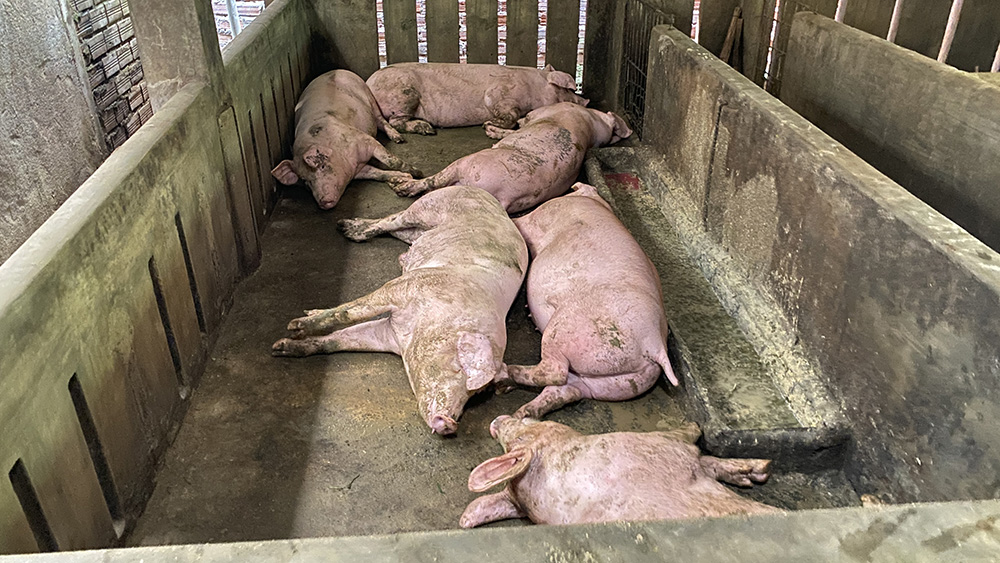
- Lying on the side before death.
2. Septicemia
Symptoms include:
- High fever.
- Bluish or purple discoloration of the skin.
- Rapid breathing.
- Sudden death.
3. Arthritis
Symptoms include:
- Swollen and hot joints.
- Lameness.
- Reluctance to stand.
- Poor growth performance.
4. Pneumonia
Symptoms include:
- Coughing.
- Difficulty breathing.
- Abdominal breathing.
- Reduced weight gain.
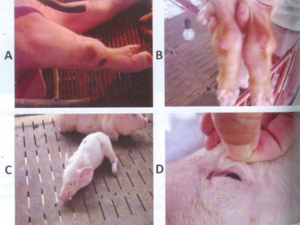
Lesions found during necropsy
During examination of dead pigs, common findings may include:
- Congestion of the meninges.
- Cloudy cerebrospinal fluid.
- Lung inflammation.
- Fluid accumulation around the heart or pericarditis.
- Inflammatory fluid in joints.
- Enlarged lymph nodes.
- Congested spleen.
Diagnosis
Accurate diagnosis requires a combination of methods:
- Observation of clinical signs.
- Examination of pathological lesions.
- Bacterial isolation.
- Bacterial culture and identification.
- PCR testing when necessary.
- Antibiotic susceptibility testing to select appropriate treatments.
Treatment of Streptococcus suis in pigs
Treatment should be started as early as possible under the guidance of a veterinarian.
Treatment principles include:
- Using antibiotics based on antibiotic sensitivity testing or veterinary recommendations.
- Providing fever reduction and anti-inflammatory support when necessary.
- Supplementing electrolytes and vitamins.
- Improving care conditions and keeping housing dry.
- Isolating infected pigs to reduce disease spread.
Note: Avoid prolonged or improper antibiotic use, as it may increase the risk of antimicrobial resistance.
Effective prevention methods
Prevention is always more effective and economical than treatment.
Farmers should:
- Clean and disinfect barns regularly.
- Reduce stocking density.
- Ensure proper ventilation.
- Provide balanced nutrition.
- Minimize stress during weaning and transportation.
- Control respiratory diseases and viral infections that weaken immunity.
- Monitor the herd regularly to detect early abnormal signs.
Can Streptococcus suis infect humans?
Yes. Streptococcus suis is a zoonotic disease that can be transmitted from animals to humans.
High-risk groups include:
- Pig farmers.
- Slaughterhouse workers.
- Veterinarians.
- People who process raw pork.
Humans can become infected when bacteria enter through open wounds or through direct contact with blood and body fluids from infected pigs.
To prevent infection:
- Wear gloves when handling sick pigs or raw pork.
- Cover wounds on the skin.
- Wash hands with soap after contact with pigs.
- Avoid eating raw blood pudding or undercooked pork.
Frequently asked questions
Can Streptococcus suis cause death in pigs?
Yes. If it causes septicemia or acute meningitis, the disease can lead to rapid death if treatment is delayed.
At what age is the disease most common?
It is most commonly seen in weaned piglets and grower pigs between 5–16 weeks of age.
Is there a vaccine for Streptococcus suis?
In some regions, autogenous vaccines or commercial vaccines may be used depending on farm conditions and circulating bacterial strains.
Effectiveness can vary between farms, so consultation with a veterinarian is recommended to develop an appropriate prevention program.
Streptococcus suis is an important infectious disease in pig production because it causes significant losses through mortality, reduced growth performance, and increased treatment costs.
The disease is also important for public health due to its ability to infect humans.
Maintaining strong biosecurity practices, effective herd management, early detection, and proper treatment under veterinary guidance can help reduce losses and improve farming efficiency.
 Share: