



FOOT-AND-MOUTH DISEASE (FMD): SIGNS, TREATMENT, AND THE MOST EFFECTIVE PREVENTION METHODS
Foot-and-mouth disease (FMD) is one of the most dangerous infectious diseases affecting livestock production today. A single infected animal can rapidly spread the virus throughout a herd, causing significant economic losses for farmers.
In addition to reducing livestock productivity, the disease negatively impacts reproductive performance, breeding stock quality, and animal trade activities. Therefore, early recognition of FMD symptoms and the timely implementation of preventive measures are essential to protecting livestock populations.
What Is Foot-and-Mouth Disease?
Foot-and-mouth disease is an acute, highly contagious viral disease that primarily affects cloven-hoofed animals such as cattle, buffaloes, pigs, goats, and sheep.
The disease spreads extremely quickly through direct contact, airborne transmission, contaminated feed and water, or infected farming equipment.
Although the mortality rate in adult animals is generally low, FMD can severely weaken livestock, reduce productivity, and cause high mortality rates in young animals.
Causes of Foot-and-Mouth Disease
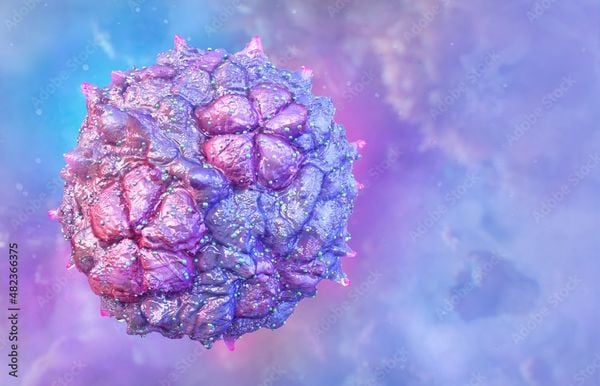
FMD is caused by a virus belonging to the genus Aphthovirus and the family Picornaviridae.
There are currently seven recognized serotypes of the FMD virus worldwide. The most common strains found in Vietnam are:
- Type O
- Type A
- Asia 1
One of the major challenges in controlling FMD is the virus’s ability to mutate continuously, creating new variants that complicate prevention efforts.
The virus can survive for extended periods in the environment:
- In cold water: up to 10 weeks
- In livestock manure: approximately 6 months
- In hay: 3–4 weeks
- In frozen meat: several months
This explains why outbreaks can reoccur if sanitation and disinfection measures are not carried out thoroughly.
How Does Foot-and-Mouth Disease Spread?
Direct Transmission
Healthy animals become infected through contact with diseased animals or virus carriers.
Environmental Transmission
The virus can survive on:
- Barns and housing facilities
- Feeding troughs
- Watering systems
- Transport vehicles
- Livestock equipment
Airborne Transmission
This characteristic makes FMD particularly dangerous. The virus can be carried by the wind over considerable distances, especially in cool and humid weather conditions.
Human-Mediated Transmission
Farm workers, traders, and visitors may inadvertently carry the virus from infected areas to disease-free farms through contaminated clothing, footwear, or vehicles.
Signs and Symptoms of Foot-and-Mouth Disease
Symptoms in Cattle and Buffaloes
After an incubation period of 2–8 days, infected animals may exhibit:
- High fever (40–41°C)
- Loss of appetite or reduced feed intake
- Excessive salivation
- Difficulty chewing and frequent head shaking
- Blisters in the mouth
- Ulcers on the tongue, gums, and oral tissues
- Blisters around the hoof and interdigital space
- Lameness or reluctance to move
In dairy cattle, milk production may decrease suddenly by 50–70%.
Symptoms in Pigs
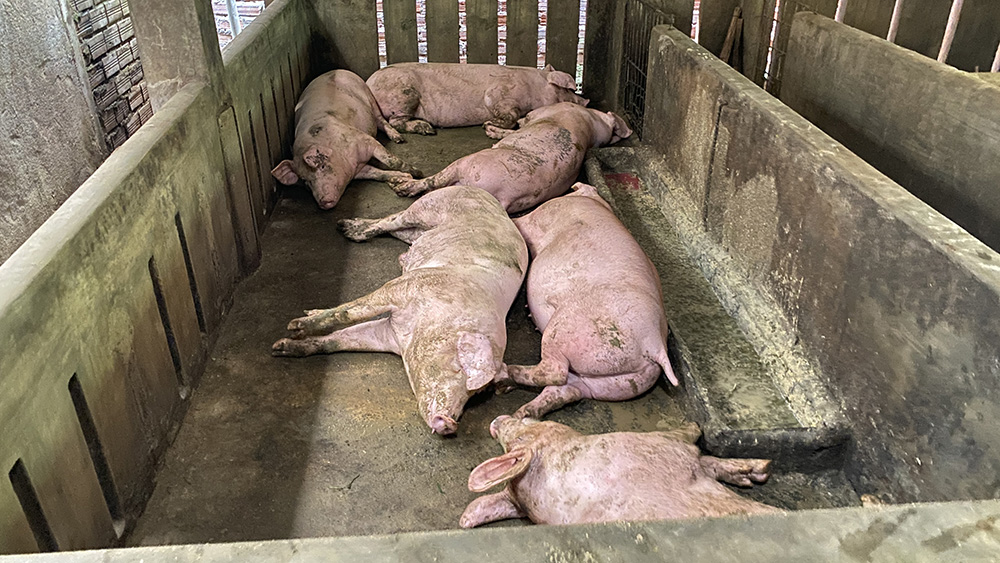
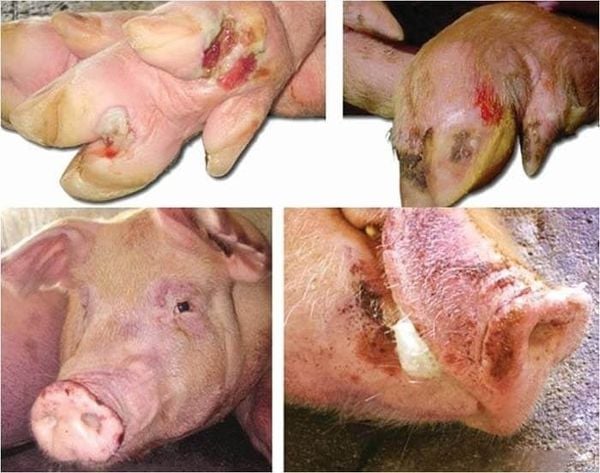
Unlike cattle, pigs often show the most severe symptoms in their feet:
- Blisters around the hooves
- Cracked or detached hooves
- Difficulty walking
- Increased lying down
- Reduced feed intake
Piglets may die suddenly due to myocarditis (heart muscle inflammation) without showing the typical signs of the disease.
Symptoms in Goats and Sheep
Symptoms are generally milder and may include:
- Lameness
- Mouth pain
- Reduced appetite
- Blisters on the feet
Because the symptoms are often less obvious, infections in goats and sheep may go unnoticed during the early stages.
Economic Impact of Foot-and-Mouth Disease
Many people assume FMD is not particularly dangerous because it does not always cause high mortality rates. However, the economic consequences can be devastating.
The disease can lead to:
- Reduced weight gain
- Lower milk production
- Decreased fertility
- Increased abortion rates
- Higher treatment and management costs
- Restrictions on animal movement and trade
For large-scale farms, a single outbreak can result in losses ranging from hundreds of millions to billions of Vietnamese dong.
Diagnosis of Foot-and-Mouth Disease
Early diagnosis is critical for preventing the spread of the disease.
Clinical Diagnosis
Veterinarians may suspect FMD based on:
- High fever
- Excessive salivation
- Oral blisters
- Hoof lesions
Laboratory Diagnosis
To confirm infection, veterinary authorities may perform:
- PCR testing
- ELISA testing
- Virus isolation
- Serological examinations
When FMD is suspected, farmers should immediately notify local veterinary authorities for sample collection and testing.
Treatment of Foot-and-Mouth Disease
Currently, there is no specific antiviral treatment capable of eliminating the FMD virus. Treatment focuses on relieving symptoms and preventing secondary infections.
Management of Lesions
Affected areas may be cleaned and disinfected using:
- Potassium permanganate (KMnO₄)
- Methylene blue
- Mild antiseptic solutions
Supportive Care
- Supplement vitamins A, D, E, and C
- Provide electrolytes
- Improve nutritional support
- Offer soft, easy-to-eat feed
Control of Secondary Infections
Antibiotics may be administered under veterinary supervision to prevent bacterial complications.
Farmers can learn more and explore related products here. See more: …
Effective Prevention of Foot-and-Mouth Disease
Regular Vaccination
Vaccination remains the most effective preventive measure available.
Recommended vaccination schedule:
- Cattle and buffaloes: every 6 months
- Goats and sheep: every 6 months
- Pigs: every 4–6 months
Proper vaccination significantly reduces the risk of outbreaks and lessens disease severity if infection occurs.
Implement Biosecurity Measures
Farmers should:
- Disinfect facilities regularly
- Install disinfection stations at farm entrances
- Control the movement of people and vehicles
- Quarantine newly introduced animals
Manage Animal Transportation
Avoid purchasing or transporting livestock from areas experiencing outbreaks.
All animals introduced into the herd should have valid veterinary health and quarantine certificates.
What Should You Do If You Suspect Foot-and-Mouth Disease?
If signs of FMD are detected, take immediate action:
- Isolate affected animals.
- Report the case to local veterinary authorities.
- Stop all livestock transportation and trading activities.
- Disinfect the entire farming area.
- Closely monitor the remaining animals in the herd.
Never conceal outbreaks or sell infected animals, as this can contribute to widespread disease transmission.
Foot-and-mouth disease is a highly contagious livestock disease capable of spreading rapidly through animal populations. Although there is currently no specific cure, farmers can effectively control the disease through regular vaccination, strict biosecurity practices, and early detection of symptoms.
Proactive prevention remains the most effective and cost-efficient strategy for protecting livestock, maintaining productivity, and minimizing economic losses.
Farmers can learn more and explore related products here. See more: …
 Share: