


Chicken with a twisted neck: Causes, symptoms, and effective treatments
Twisted neck in chickens is a common symptom in many breeds, significantly impacting the health and productivity of the flock. This condition not only reduces economic value but also causes numerous inconveniences for poultry farmers.
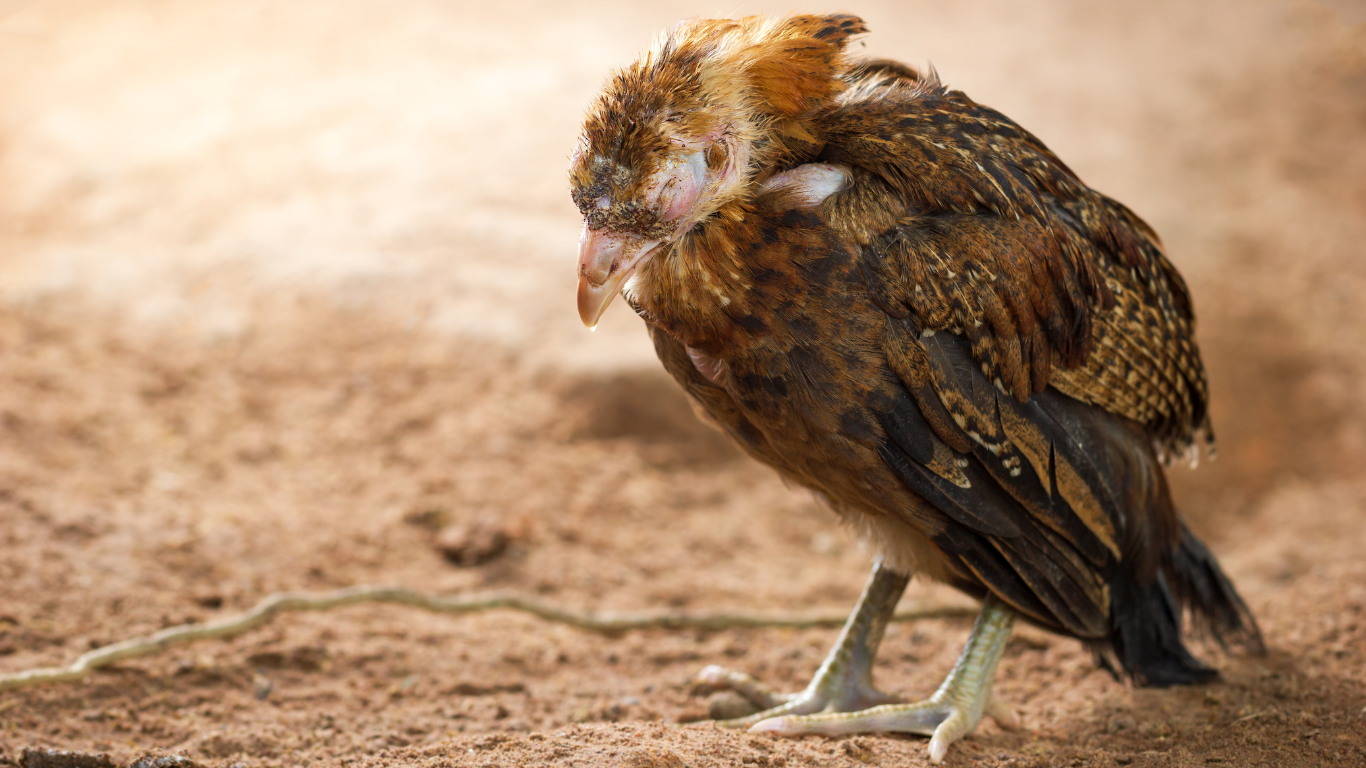
Causes of Twisted Neck:
- Newcastle Disease: This is one of the most common causes of twisted neck in chickens. The disease damages the nervous system, causing chickens to lose balance, convulse, and twist their necks.
- Infections: Other bacteria and viruses can also cause meningitis, affecting the central nervous system and causing twisted neck symptoms.
- Trauma: Strong impacts or heavy objects falling on the neck can also damage nerves and lead to twisted neck.
- Nutritional Deficiencies: Deficiencies in essential vitamins and minerals can also cause neurological disorders, leading to twisted neck.
- Cold Exposure: Due to drafts in the coop, chickens may experience blood vessel blockage, resulting in leg paralysis and twisted necks.
- Congenital Twisted Neck: Genetic defects can cause chicks to have twisted necks.
Harmful effects of neck twisting disease:
- Reduced appetite, stunted growth, and decreased egg production in chickens.
- Weakened chickens, making them susceptible to other diseases.
- High mortality rate.
- Causes economic losses for poultry farmers.
Disease prevention:
- Vaccinate chickens fully.
- Keep coops clean and dry.
- Provide sufficient feed, clean water, and a balanced diet.
- Monitor the health of the flock regularly.
- Carefully select the breed.

Treatment:
- When a chicken is found to have a twisted neck, immediately isolate the sick chicken to prevent the spread of the disease.
- Report to a veterinarian for accurate diagnosis of the cause of the twisted neck and appropriate treatment.
- If the chicken’s twisted neck is due to Newcastle disease or infection: Use antibiotics and supportive medications according to the veterinarian’s treatment plan.
- If due to injury: Check for injury, clean the wound (if bleeding), determine the extent of the damage, intervene, treat, and monitor regularly.
- If due to nutritional deficiency: Provide the flock with sufficient essential nutrients, focusing on supplementing vitamins E, D3, and selenium in the diet or using specialized nutritional products containing vitamins
- If due to cold exposure: Apply folk remedies to promptly treat chickens suffering from cold exposure, such as using cinnamon wine, ginger wine, or medicated oil and lemon to massage the chicken. At the sametime, keep the coop well-ventilated and warm.
Care for sick chickens by feeding them soft, easily digestible food.
If the illness is severe or the chicken has a congenital neck deformity, the sick chicken should be removed.
Conclusion:
Neck deformity in chickens is a serious problem, affecting the health and economy of poultry farmers. To effectively prevent and treat this disease, farmers need to pay attention to hygiene measures, vaccination, and scientific care of their flocks.
 Share: