


African Swine Fever – A Global Threat to the Swine Industry
Among the most devastating diseases affecting the livestock industry today, African swine fever (African Swine Fever – ASF) stands out as one of the greatest threats to pig farming worldwide. This highly contagious viral disease has caused enormous economic losses, disrupted global pork supply chains, and placed millions of farmers under severe pressure. Although African Swine Fever does not infect humans, its rapid spread and extremely high mortality rate in pigs make it a serious concern for the agricultural sector.
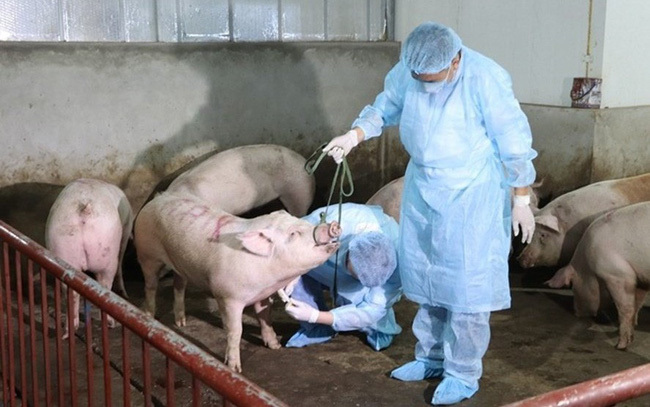
Over the past decade, dịch tả lợn châu phi has expanded beyond its original geographical boundaries in Africa and spread into Europe, Asia, and many other regions. Countries heavily dependent on pork production have experienced significant financial damage due to mass pig culling, trade restrictions, and increased disease-control costs. As the global demand for pork continues to rise, understanding and controlling African Swine Fever has become more important than ever.
What is African Swine Fever?
African Swine Fever is a severe viral disease caused by the African Swine Fever Virus (ASFV), a large DNA virus that affects domestic pigs and wild boars. The disease was first identified in Africa during the early 20th century, where it circulated naturally among wild pigs and ticks. Unlike many common swine diseases, there is currently no fully effective commercial vaccine available to eliminate the disease completely.
One of the most dangerous characteristics of dịch tả lợn châu phi is its ability to survive in harsh environmental conditions. The virus can remain active for long periods in pork products, contaminated feed, equipment, vehicles, clothing, and even in frozen meat. This resilience makes disease control extremely difficult, especially in regions with weak biosecurity systems.
Symptoms and Clinical Signs
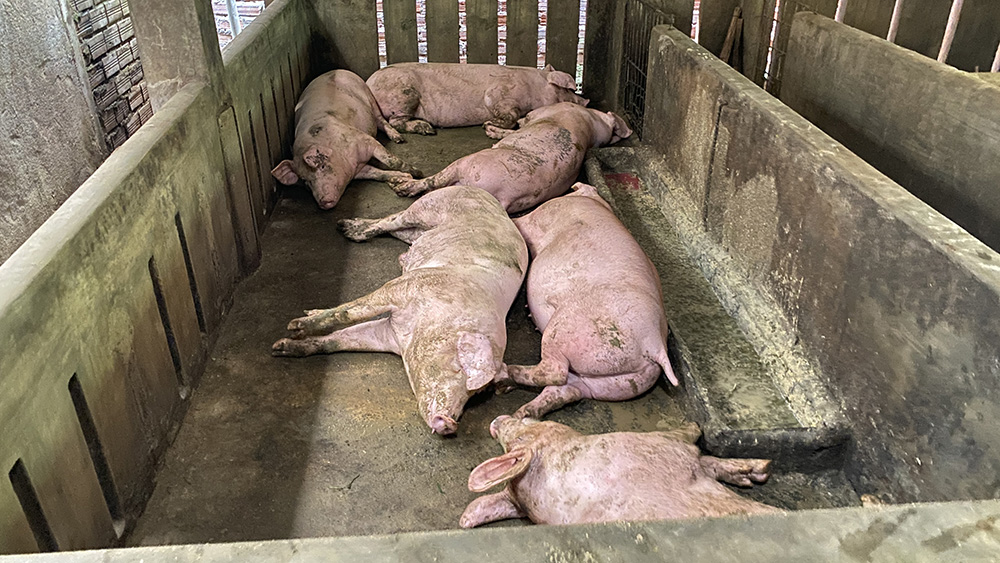
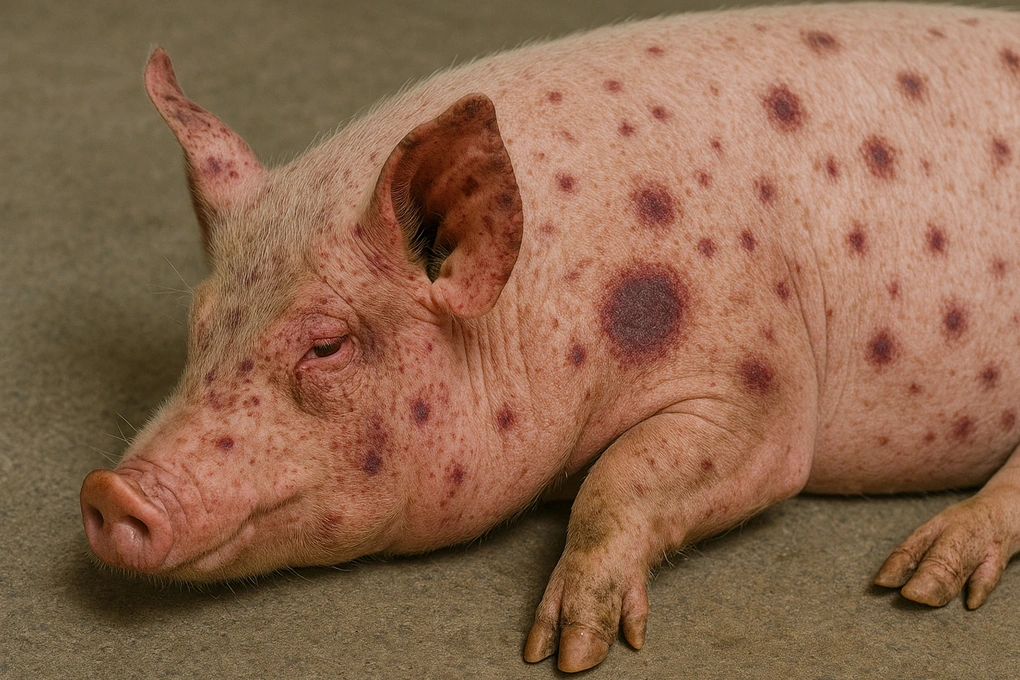
Pigs infected with African Swine Fever often show severe clinical symptoms within a few days after infection. The disease progresses rapidly, and mortality rates can reach nearly 100% in acute outbreaks. Common symptoms include:
- High fever
- Loss of appetite
- Weakness and depression
- Red or dark patches on the skin
- Difficulty breathing
- Vomiting and diarrhea
- Sudden death
In many cases, infected pigs may die before obvious symptoms become visible. This makes early detection challenging for farmers and veterinarians. Because dịch tả lợn châu phi spreads quickly through direct and indirect contact, delayed identification can lead to catastrophic outbreaks across entire farms and regions.
Economic Impact on the Swine Industry
The economic consequences of African Swine Fever are enormous. Countries affected by dịch tả lợn châu phi often suffer billions of dollars in losses due to pig mortality, emergency control measures, and international trade restrictions.
For farmers, the impact can be devastating. Many small-scale pig producers depend entirely on swine farming as their primary source of income. When outbreaks occur, authorities usually require the destruction of infected and exposed pigs to prevent further transmission. This often leaves farmers without livestock, income, or financial stability.
In addition, pork prices may fluctuate dramatically during outbreaks. Reduced pork supply can increase food prices and create instability in local markets. The disease also affects feed manufacturers, meat processors, transport companies, and other businesses connected to the livestock supply chain.
Asia has been particularly affected in recent years. Several countries experienced massive reductions in pig populations after the spread of dịch tả lợn châu phi, forcing governments and producers to strengthen disease-prevention programs and invest heavily in biosecurity infrastructure.
Transmission and Spread
African Swine Fever spreads through multiple transmission routes, making it extremely difficult to contain once introduced into an area. The virus can spread through:
- Direct contact with infected pigs
- Consumption of contaminated pork products
- Contaminated feed or water
- Farm equipment and vehicles
- Human activities and farm workers
- Wild boars and soft ticks
Human behavior plays a major role in disease transmission. Transporting infected animals, feeding pigs with untreated food waste, and failing to disinfect equipment are among the most common causes of outbreaks. Because the virus survives for long periods in meat products, illegal pork transportation across borders remains a serious global concern.
Wild boars also contribute significantly to the spread of dịch tả lợn châu phi in many regions. Infected wild pig populations can carry the virus over large distances and reintroduce it into commercial farms despite strict control measures.
Prevention and Biosecurity Measures
Since there is currently no universally effective cure for African Swine Fever, prevention remains the most important strategy. Strong biosecurity practices are essential for protecting pig farms from infection.
Farmers are encouraged to implement strict hygiene and disease-control protocols, including:
- Limiting farm access to authorized personnel only
- Disinfecting vehicles, tools, and equipment regularly
- Preventing contact between domestic pigs and wild animals
- Using high-quality, safe feed sources
- Monitoring pig health daily
- Reporting unusual symptoms immediately
Education and awareness are equally important. Many outbreaks occur because farmers lack sufficient knowledge about disease transmission and prevention. Government agencies, veterinary organizations, and livestock companies must continue providing training programs and updated information about dịch tả lợn châu phi to producers.
Early detection is another critical factor. Rapid laboratory testing and immediate quarantine measures can significantly reduce the risk of widespread outbreaks. Cooperation between farmers, veterinarians, and authorities is necessary to ensure effective disease surveillance.
Research and Vaccine Development
Scientists around the world are working intensively to develop safe and effective vaccines against African Swine Fever. However, the complexity of the virus presents major scientific challenges. ASFV has a complicated genetic structure that makes vaccine development much more difficult compared to other livestock diseases.
Despite these obstacles, recent research has shown promising progress. Several experimental vaccines are being tested in different countries, raising hope for improved disease control in the future. If successful, an effective vaccine could transform global efforts against dịch tả lợn châu phi and reduce the heavy economic burden on the swine industry.
In addition to vaccines, researchers are studying advanced diagnostic technologies, genetic resistance in pigs, and innovative farm-management strategies to reduce infection risks.
The Future of the Swine Industry
The battle against African Swine Fever is far from over. As global trade and animal transportation continue to increase, the risk of new outbreaks remains high. Climate change, wildlife movement, and expanding livestock production may further complicate disease management in the coming years.
Nevertheless, the industry has learned valuable lessons from past outbreaks. Many farms are now adopting modern biosecurity systems, digital monitoring technologies, and stricter health-management practices. Governments and international organizations are also improving cross-border cooperation to strengthen disease surveillance and emergency response systems.
Ultimately, controlling dịch tả lợn châu phi requires a united global effort. Farmers, veterinarians, researchers, policymakers, and consumers all play important roles in preventing the spread of this dangerous disease.
Conclusion
African Swine Fever remains one of the most serious challenges facing the global livestock industry today. The rapid spread, high mortality rate, and severe economic consequences of dịch tả lợn châu phi have forced countries worldwide to rethink their disease-control strategies and strengthen farm biosecurity.
Although there is currently no definitive cure, continued research, improved prevention methods, and stronger international cooperation offer hope for the future. By investing in education, surveillance, and scientific innovation, the global swine industry can better protect itself against African Swine Fever and build a more sustainable and resilient future for pig farming worldwide.
 Share: