


PIG CARE DURING SEASONAL TRANSITIONS: PREVENTION IS BETTER THAN CURE FOR STABLE GROWTH AND REDUCED LOSSES
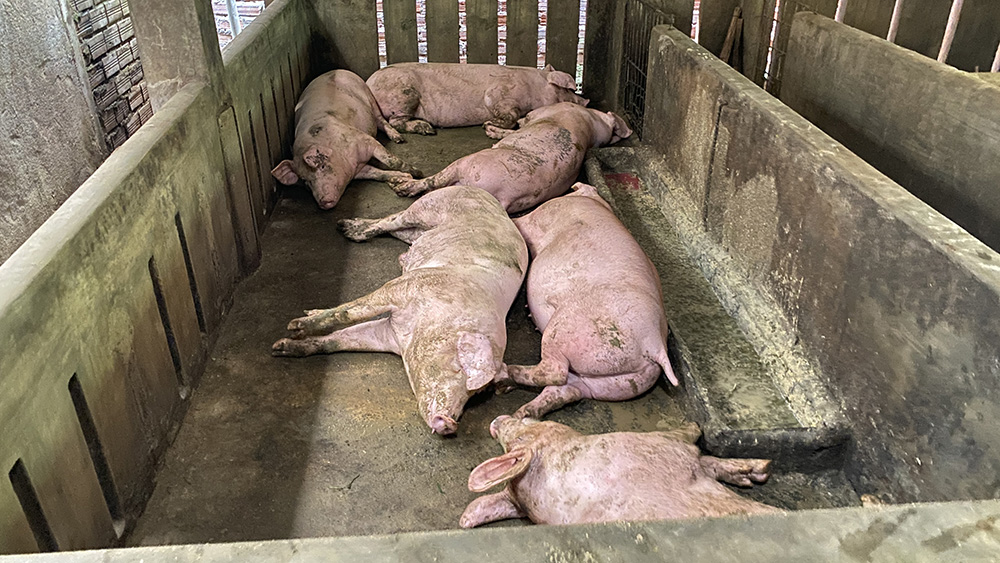
Pig care during seasonal transitions is one of the most important stages in pig farming, when weather changes unpredictably between hot sunshine, sudden rain showers, and high humidity. This is a period when pigs are easily stressed, their immunity declines, and many dangerous diseases can break out.
If farmers do not apply proper care and housing management measures, the risk of economic loss is very high, including slow growth, diarrhea, pneumonia, and even scattered deaths.
Therefore, applying proper pig care techniques during seasonal transitions plays a decisive role in maintaining herd health and optimizing farming efficiency.
1. Why seasonal pig care is important
During seasonal transitions, especially from April to May, the weather fluctuates constantly, making it difficult for pigs to adapt.
Risk factors include:
- Sudden temperature changes between day and night
- Increased humidity after rain
- Housing environments that easily allow pathogens to develop
These factors cause physiological stress in pigs, reducing feed intake and nutrient absorption. The immune system weakens, allowing bacteria and viruses to proliferate.
In particular, piglets and newly weaned pigs are the most vulnerable groups during this period.
Proactively cleaning pig housing and applying proper seasonal care techniques helps reduce pathogen pressure on the herd.

2. Common diseases during seasonal pig care
If management is not done well during seasonal transitions, pigs are prone to the following common diseases:
Respiratory diseases
Pigs may develop coughing, pneumonia, and difficulty breathing due to drafts and sudden temperature changes.
Digestive diseases
Humid environments promote bacteria such as E. coli and Salmonella, causing diarrhea, dehydration, and weakness.
Stress syndrome
Pigs eat less, grow more slowly, and feed conversion efficiency decreases significantly.
Pigs raised in industrial systems are especially susceptible to respiratory and digestive diseases if seasonal care procedures are not properly controlled.

3. Effective seasonal pig care techniques
3.1 Keep housing dry
Keeping pig pens dry, airy, and clean is a fundamental aspect of pig care during seasonal transitions.
- Drainage systems must work properly
- Avoid water pooling after rain
- Regularly clean floors and waste
A dry environment helps limit the growth of bacteria and parasites.
3.2 Prevent drafts while maintaining ventilation
In pig care during seasonal transitions, controlling drafts is essential because they are a major cause of respiratory diseases in pigs.
- Block cold wind directions
- Keep resting areas warm
- Design pens with proper ventilation
Avoid sealing the barn completely, as this can lead to the accumulation of toxic gases such as ammonia (NH₃) and hydrogen sulfide (H₂S).
3.3 Regular cleaning and disinfection
In pig care during seasonal transitions, maintaining proper hygiene is essential for preventing disease outbreaks
- Disinfect barns 2–3 times per week
- Clean feeders and drinkers regularly
- Sanitize surrounding areas
This helps reduce pathogen load in the farming environment.
3.4 Manage drinking water quality
As part of proper pig care during seasonal transitions, drinking water must be kept clean and free from contamination.
- Regularly clean water tanks
- Prevent water contamination during humid seasons
- Supplement vitamin C or electrolytes to improve immunity
3.5 Proper nutrition supplementation
Pig care during seasonal transitions includes adjusting feed rations to support pig health and maintain stable growth.
- Increase vitamins A, C, and E
- Add essential minerals
- Use easily digestible feed
This improves nutrient absorption and stable growth.
Proper ventilation and exhaust fan systems help regulate barn air quality during seasonal pig care management.

4. Preventive disease control in pig farming
In modern livestock farming, effective pig care during seasonal transitions emphasizes disease prevention, as it is more effective and cost-efficient than treatment.
Benefits of preventive care:
- Reduced veterinary costs
- Lower risk of disease outbreaks
- Faster growth rate of pigs
- Reduced mortality rate
In contrast, treating diseases after they occur is much more expensive and directly affects economic efficiency.
Pig care during seasonal transitions requires farmers to strictly control the environment, nutrition, and disease prevention measures.
When properly applied, pigs will be healthier, have lower disease risk, grow more consistently, and bring higher economic efficiency to farmers.
 Share: