


WARNING: SAT1 FOOT-AND-MOUTH DISEASE VARIANT — EFFECTIVE PREVENTION HANDBOOK FOR LIVESTOCK FARMERS
The SAT1 foot-and-mouth disease (FMD) outbreak is becoming increasingly complex with the emergence of the SAT1 virus variant—a strain considered highly contagious and potentially dangerous to livestock.
Not only does the disease affect animal health, but it also causes significant losses in livestock productivity and economic damage to farmers if it is not detected and controlled promptly.
Given the rising risk of outbreaks, proactive prevention of SAT1 FMD is a crucial measure to protect livestock, reduce risks, and maintain stable production.
Farmers are advised to strengthen hygiene practices, disinfect barns, control herd introduction, regularly monitor animal health, and fully implement vaccination according to veterinary recommendations to limit the risk of spread.
How Dangerous Is the SAT1 Foot-and-Mouth Disease Virus?
SAT1 foot-and-mouth disease is an acute infectious disease caused by a virus, commonly affecting cloven-hoofed animals such as cattle, buffalo, pigs, goats, and sheep.
The virus can spread rapidly through air, water sources, feed, farming equipment, and even transportation vehicles.
The SAT1 variant is particularly concerning because:
- It spreads extremely quickly between herds.
- It can survive for long periods in the environment, especially in humid conditions.
- Young animals have a high risk of death due to myocarditis.
- It is difficult to control if not detected early and properly contained.
When an outbreak occurs, farmers may face serious consequences such as:
- Mass livestock deaths.
- Significant reduction in meat, milk, and reproductive productivity.
- High costs for disposal, disinfection, and restocking.
- Direct impacts on trade, transportation, and livestock export activities.
Therefore, preventive measures are always more important than treatment.
Most Effective Prevention Measures for SAT1 FMD
1. Full Vaccination — The Most Important “Shield”
Vaccination is the most effective method to build immunity in livestock against SAT1 infection risk.
Choose the right vaccine
Farmers should use vaccines suitable for the virus strains circulating locally, especially those that protect against SAT1 or provide strong cross-protection.
Vaccinate on schedule
- Follow periodic vaccination guidelines from veterinary authorities.
- Newly purchased animals or those whose immunity has expired must be vaccinated immediately.
- Ensure no animal is missed to avoid hidden infection sources.
Post-vaccination monitoring
After vaccination, animals should be observed for 24–48 hours to detect and handle any abnormal reactions.
2. Biosecure Farming Practices
Biosecurity is a sustainable solution to prevent virus entry and spread within farms.
Restrict people and vehicle access
- Prevent unauthorized individuals from contacting livestock.
- Transport vehicles must be disinfected before entering farms.
- Workers should wear dedicated clothing and boots.
Regular disinfection
- Spray disinfectants 1–2 times per week.
- Apply lime powder around barns, entrances, and waste areas.
- Clean feeders and drinkers regularly.
Control feed and water sources
- Use clean, uncontaminated water.
- Do not use untreated leftover food.
- Store feed properly to avoid contamination by flies, rodents, and insects.
3. Strict Control of Livestock Trade and Transport
One of the main causes of rapid SAT1 FMD spread is transporting infected animals between regions.
Only buy livestock with clear origin
Purchase animals from reputable suppliers with veterinary inspection certificates.
Quarantine new animals
Newly introduced livestock should be isolated for at least 21 days before joining the main herd.
Do not trade or move sick animals
Do not slaughter, transport, or dispose of infected carcasses improperly, as this can spread the virus widely.
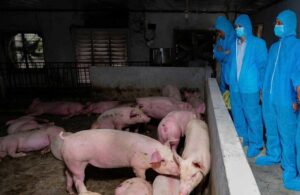
Symptoms of SAT1 Foot-and-Mouth Disease
Early detection helps reduce spread and minimize losses.
Common symptoms include:
High fever and loss of appetite
Animals become lethargic, weak, and significantly reduce feed intake.
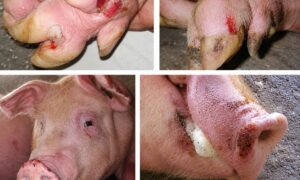
Blisters and ulcers
Lesions commonly appear in:
- Mouth
- Tongue
- Gums
- Hooves
- Udder
When blisters rupture, they cause pain and difficulty eating or drinking.
Excessive salivation
Foamy saliva continuously drips from the mouth.
Difficulty walking
Animals may limp or lie down due to hoof lesions.
What to Do When an Outbreak Is Suspected?
If animals show symptoms of infection, farmers should:
- Immediately report to local veterinary authorities.
- Isolate suspected animals from healthy ones.
- Stop all transport and trade of livestock in the area.
- Disinfect barns continuously.
- Do not self-treat or conceal the outbreak.
Delayed reporting can cause rapid spread and severe community-wide consequences.
The Role of the Community in Controlling SAT1 FMD
Disease prevention is not only the responsibility of veterinary authorities but also requires cooperation from all livestock farmers.
Each household should:
- Stay informed about SAT1 FMD updates.
- Participate in community disinfection campaigns.
- Prepare disinfectants, lime powder, and necessary supplies.
- Report any abnormal animal health signs promptly.
When communities coordinate effectively, the risk of large-scale outbreaks is significantly reduced.
The SAT1 foot-and-mouth disease variant is currently considered a major threat to the livestock industry. However, with proactive measures such as:
- Timely vaccination
- Biosecure farming practices
- Strict control of animal movement
- Early detection and reporting
the risk of outbreaks can be effectively minimized, protecting livestock and reducing economic losses.
Proactive prevention today is the best way to safeguard assets, reduce economic damage, and ensure the sustainable development of livestock farming in the future.
 Share: