


SHRIMP DISEASE TREATMENT – A COMPREHENSIVE SOLUTION TO PROTECT YOUR FARMING CROPS
In the context of the rapidly developing aquaculture industry, shrimp farming has become one of the key economic sectors in many localities. However, along with high profit potential come significant risks, especially disease outbreaks. In reality, even a single uncontrolled disease outbreak can severely damage an entire farming season. Therefore, shrimp disease treatment is not just a situational solution, but also a comprehensive strategy to protect productivity and economic efficiency.
1. Current State of Shrimp Diseases
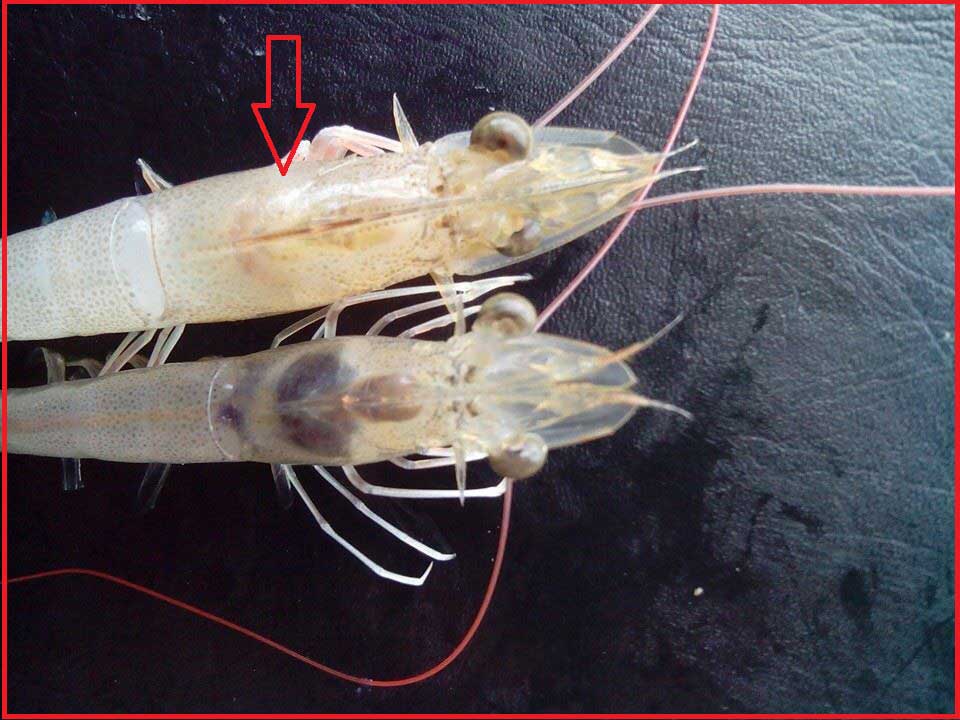
During farming, shrimp often face many dangerous diseases such as white spot disease, acute hepatopancreatic necrosis syndrome (EMS), white feces syndrome, Vibrio bacteria, and diseases related to the water environment. The causes of disease stem not only from pre-existing pathogens, but also from environmental factors such as temperature fluctuations, pH, alkalinity, toxic gases (NH3, H2S), or excessively high stocking densities.
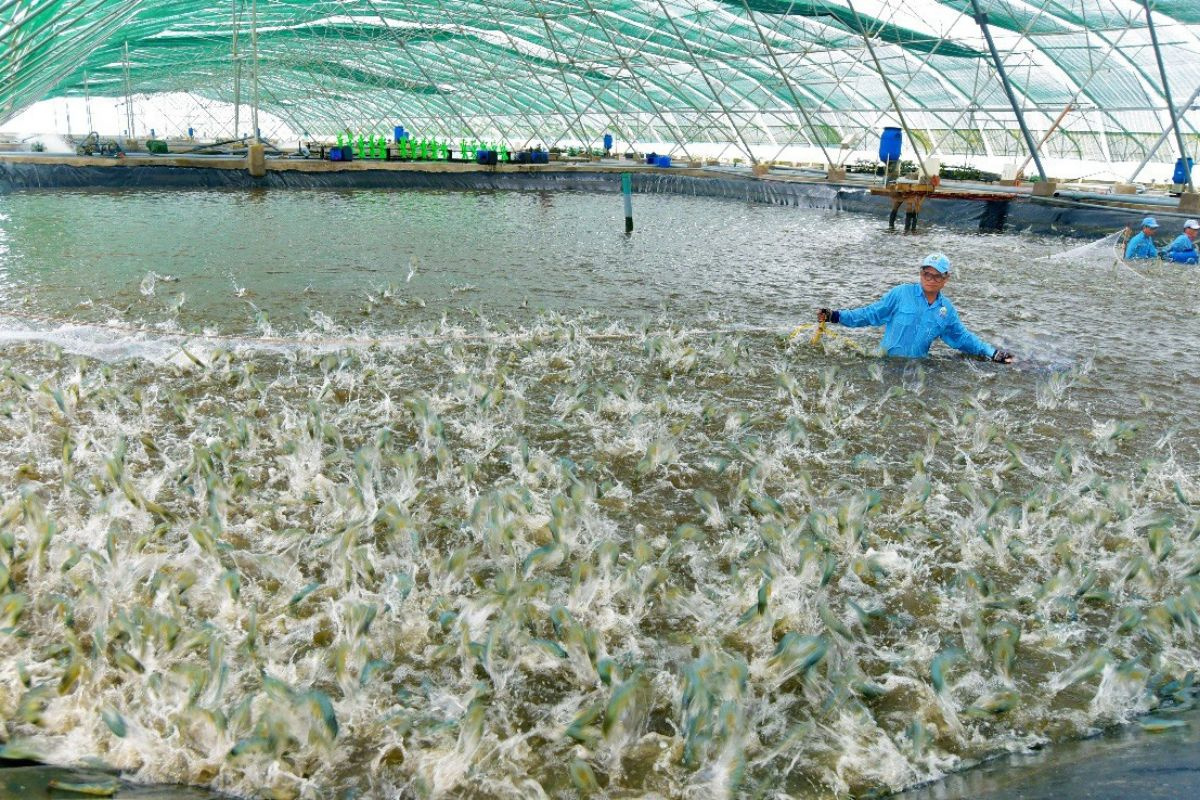
Notably, when the pond environment becomes unbalanced, the shrimp’s immune system weakens, creating favorable conditions for bacterial and viral attacks. This makes treating shrimp diseases more complicated, requiring farmers to have appropriate knowledge and treatment methods.
2. Principles in Shrimp Disease Treatment
To achieve high effectiveness, disease treatment needs to adhere to several basic principles:
Early detection: Observe shrimp activity, color, gut, and feces to identify abnormal signs.
Accurate diagnosis: Accurately identify the cause of the disease (bacteria, virus, or environmental factors).
Timely intervention: Apply treatment measures as soon as the first signs are detected.
Synchronized approach: Not only use medication but also improve the environment and nutrition.
Focusing solely on medication while ignoring environmental factors often does not yield long-term results. Therefore, an effective shrimp disease treatment strategy must be comprehensive.
3. Comprehensive Solutions in Shrimp Disease Treatment
3.1. Pond Environment Management
The water environment is a core factor determining the health of shrimp. Farmers need to:
Maintain a stable pH (7.5 – 8.5)
Control alkalinity and salinity appropriately
Reduce toxic gases using microorganisms to treat the bottom of the pond
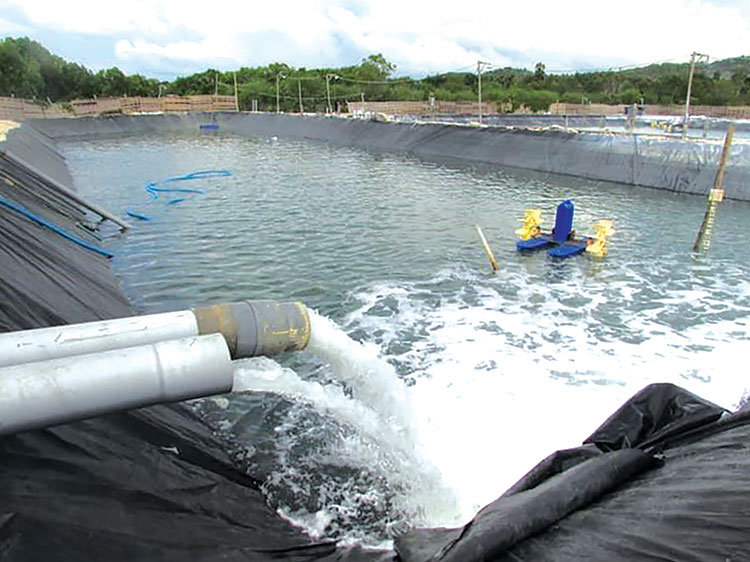
Regularly change the water or use a recirculating filtration system

Using probiotics helps balance the beneficial bacteria in the gut, limiting the growth of pathogenic bacteria such as Vibrio.
3.2. Strengthening Shrimp’s Immunity
One of the effective ways to treat shrimp diseases is to help them “self-recover” before the disease occurs. This is done through:
Supplementing with vitamin C, minerals, and digestive enzymes
Using herbs or immune stimulants
Ensuring a quality feed source that is free from mold
When shrimp have a strong immune system, their ability to resist pathogens is higher, reducing their dependence on antibiotics.
3.3. Proper Use of Medications and Chemicals
In cases where shrimp are already infected, medication is necessary. However, it is important to note:
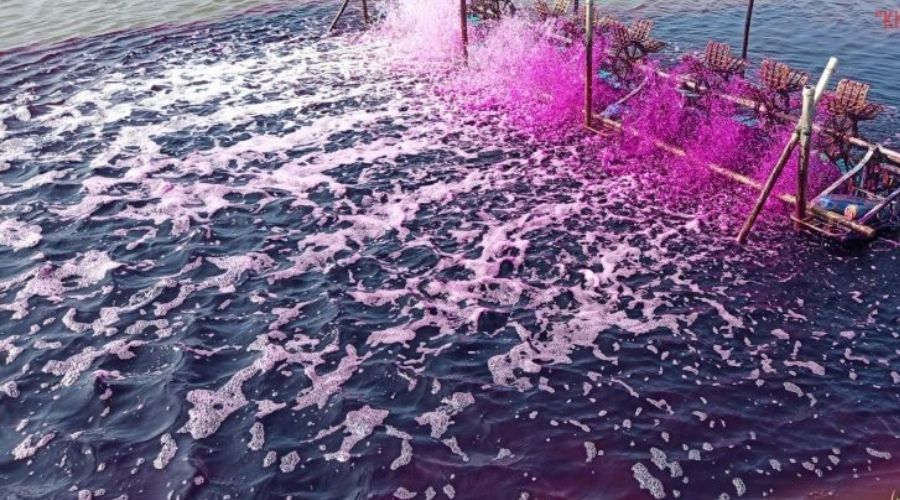
- Choose the right medication according to the causative agent.
- Adhere to the prescribed dosage and duration of use.
- Avoid overuse of antibiotics to prevent antibiotic resistance.
Additionally, combine with supportive products such as liver supplements and detoxifiers to help shrimp recover faster.
3.4. Managing Stocking Density and Farming Processes
Excessively high stocking densities increase environmental pressure and the risk of disease outbreaks. Therefore:
Farming at appropriate densities for each stage
Applying biosecurity farming processes
Controlling the source of input broodstock (disease-free broodstock)
This is a crucial factor in minimizing the risk of needing to treat shrimp diseases throughout the farming season.
4. The Role of Disease Prevention in Long-Term Strategy
It’s a clear fact that “prevention is better than cure.” In shrimp farming, the cost of disease prevention is often much lower than the cost of treatment when a disease outbreak occurs. Therefore, farmers need to:
 Enhancing shrimp immunity effectively – Biotech
- Regularly administer probiotics and minerals.
Monitor the environment daily.
Develop a care plan and conduct regular inspections.When disease prevention is done well, treating shrimp diseases becomes easier, and may even require minimal medication.
5. Modern Trends in Shrimp Disease Treatment
Currently, the trend in sustainable shrimp farming is towards minimizing chemicals and antibiotics, instead focusing on:
Applying biotechnology
Using next-generation microbial preparations
Applying recirculating aquaculture systems (RAS)
Using herbal remedies and natural solutions
These methods not only effectively treat shrimp diseases but also improve product quality, meeting export requirements.
In the shrimp farming industry, disease outbreaks are unavoidable, but they are entirely controllable with the right strategy. Treating shrimp diseases should not be seen as a “quick fix,” but rather as a comprehensive management system encompassing environment, nutrition, and farming techniques.
Only when farmers proactively prevent, detect, and properly treat diseases can the farming season achieve high and sustainable efficiency. Investing in knowledge and processes is key to reducing risk and maximizing profits in today’s shrimp farming industry.
See more at…..
 Share: